Bridge Inspection and Structural Integrity Assessment
Bridges are critical infrastructure assets for transportation and mobility. Continuous exposure to environmental conditions, dynamic loads, corrosion, and material aging makes periodic inspection essential to maintaining structural safety and reliability.
Bridge inspection activities enable the early identification of defects, deterioration mechanisms, and potential structural concerns, supporting maintenance planning and extending the service life of infrastructure assets.
Italcorr provides professional bridge and viaduct inspection, condition monitoring, and structural integrity assessment services using advanced inspection technologies and Non-Destructive Testing (NDT) methods.
Objectives of Bridge Inspection
Our inspection activities are designed to:
- Support structural safety
- Identify deterioration mechanisms
- Assess operating conditions
- Detect defects and structural anomalies
- Plan maintenance and repair activities
- Support infrastructure asset management
- Extend bridge service life
Types of Bridges Inspected
Italcorr provides inspection services for:
- Road bridges
- Railway bridges
- Viaducts
- Pedestrian bridges
- Steel bridges
- Reinforced concrete bridges
- Prestressed concrete bridges
- Composite steel-concrete structures
Visual Inspection
Visual inspection forms the foundation of bridge condition assessment and structural monitoring programs.
Inspection activities include evaluating:
- General structural condition
- Cracks and visible discontinuities
- Deformation
- Corrosion
- Concrete spalling and delamination
- Water infiltration
- Bridge bearing condition
- Expansion joint condition
Visual inspection results help identify areas requiring detailed investigation or additional testing.
Corrosion Monitoring
Italcorr provides corrosion condition assessments for:
- Steel structural elements
- Connections and fasteners
- Bridge bearings
- Safety barriers
- Drainage systems
- Components exposed to aggressive environmental conditions
Corrosion inspections support the identification of deterioration and the planning of appropriate maintenance and protective measures.
Infrared Thermography
Infrared thermography can support bridge inspection by identifying thermal anomalies potentially associated with:
- Concrete delamination
- Water infiltration
- Moisture accumulation
- Certain subsurface defects
- Non-uniform material conditions
Thermographic results depend on environmental conditions, surface properties, and temperature differences. Suspected defects may require confirmation using complementary inspection techniques.
Drone-Based Bridge Inspection (UAV)
The use of Unmanned Aerial Vehicles (UAVs) enables:
- Reduction of operational risks
- Improved access to difficult-to-reach areas
- High-resolution photographic surveys
- Faster preliminary inspections
- Thermal imaging surveys where appropriate
- Detailed documentation of structural components
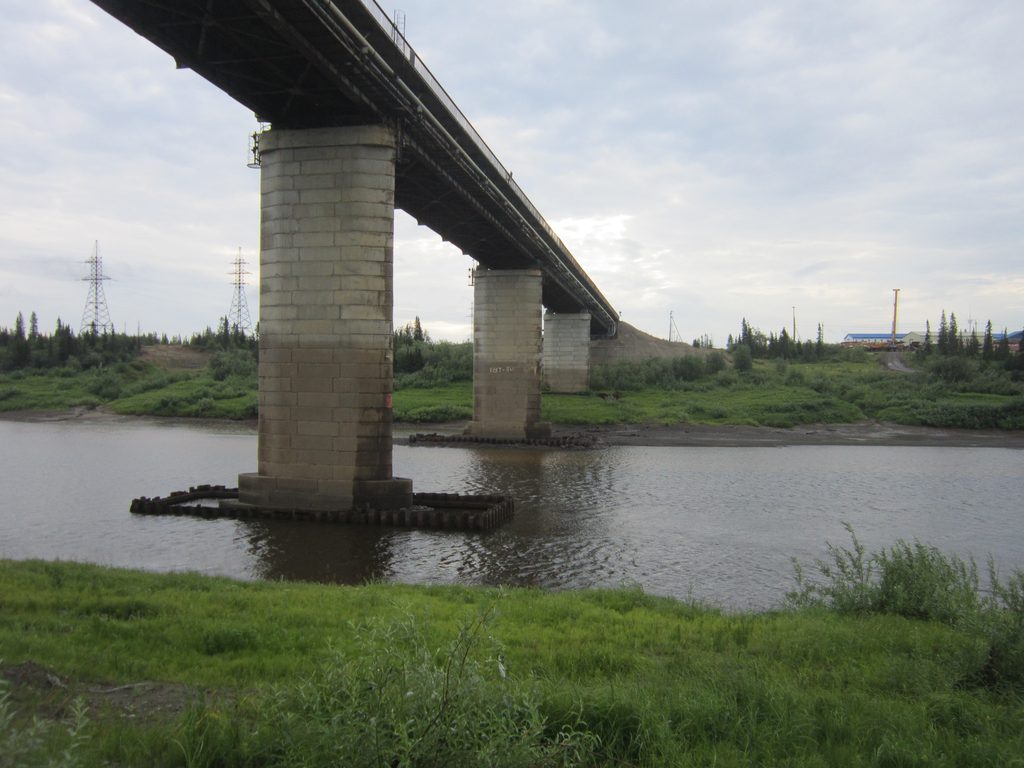
Drone inspections are particularly useful for elevated structures, bridge decks, piers, and areas where conventional access methods are difficult or costly.
Structural Health Monitoring
Structural monitoring activities may include:
- Strain and deformation measurements
- Vibration monitoring
- Displacement measurements
- Assessment of operating conditions
- Long-term structural condition monitoring
These activities provide information about structural behavior under operational and environmental loading.
Monitoring results can support the identification of abnormal changes and help prioritize further engineering investigations.
Structural Integrity Assessment
Italcorr supports technical assessments aimed at:
- Identifying potential structural concerns
- Supporting structural safety evaluations
- Determining inspection and maintenance priorities
- Assisting infrastructure asset management
- Planning maintenance and rehabilitation activities
Detailed structural safety verification and load-bearing capacity assessments require appropriate engineering calculations, design documentation, and qualified structural engineering expertise.
Industrial and Infrastructure Applications
Italcorr bridge inspection services are applicable to:
- Road infrastructure
- Railway infrastructure
- Industrial structures
- Urban bridges
- Motorway viaducts
- River crossings
- Port infrastructure
Benefits for Clients
Professional bridge inspection and condition assessment services help:
- Improve infrastructure safety
- Identify deterioration at an early stage
- Reduce the risk of unexpected structural failures
- Optimize maintenance costs
- Extend infrastructure service life
- Improve maintenance and rehabilitation planning
- Support informed asset management decisions
Applicable Standards and Regulations
Bridge inspection and structural assessment activities are performed according to applicable standards, regulations, and technical requirements, including:
- Italian Bridge Guidelines (Linee Guida Ponti) issued by the Consiglio Superiore dei Lavori Pubblici
- Eurocodes – European structural design standards
- EN 1990 – Basis of structural design
- EN 1991 – Actions on structures
- ISO 9712 – Qualification and certification of NDT personnel
- Applicable Italian national regulations
- Client-specific technical specifications
The selection of applicable standards and inspection procedures depends on the type of structure, inspection objectives, and regulatory requirements.
Italcorr Bridge Inspection Services
Italcorr provides bridge inspection, Non-Destructive Testing (NDT), corrosion monitoring, drone-based surveys, and technical support for structural integrity assessment.
Through a multidisciplinary approach combining engineering expertise, advanced inspection technologies, and condition monitoring techniques, we support infrastructure owners and operators in maintaining the safety, reliability, and durability of bridges and viaducts.
Our services help identify deterioration mechanisms, prioritize inspection activities, and support effective maintenance planning throughout the infrastructure lifecycle.