Stray Current Interference
Stray current interference is one of the most significant causes of accelerated corrosion affecting buried metallic structures, including pipelines, storage tanks, district heating networks and industrial facilities. When uncontrolled electrical currents leave a metallic structure and return to the surrounding soil or another conductive path, rapid localized corrosion may occur, resulting in wall thinning, leaks and structural failure.
For operators of critical infrastructure, identifying and controlling stray currents is essential to ensure asset integrity, personnel safety and compliance with international corrosion management standards.
Italcorr provides professional stray current investigations, monitoring and mitigation services for underground pipelines, oil storage terminals, refineries, fuel stations, industrial plants and other buried metallic structures.
What Are Stray Currents?
Stray currents are unintended electrical currents that flow through the soil or other conductive media instead of following their designed electrical path. They usually originate from external electrical systems and may enter and leave buried metallic structures.
The most severe corrosion occurs at locations where the current exits the metal surface and returns to the surrounding environment. These discharge points are often characterized by intense localized metal loss that may develop much faster than conventional electrochemical corrosion.
Common Sources of Stray Currents
Typical sources include:
- DC railway and tram traction systems;
- cathodic protection systems operating on nearby structures;
- high-voltage electrical installations;
- industrial power distribution systems;
- grounding systems;
- electrical substations;
- renewable energy facilities;
- welding equipment and temporary construction power supplies.
Effects on Buried Structures
Stray current interference may cause:
- accelerated corrosion;
- localized pitting;
- perforation of pipelines and tanks;
- coating deterioration;
- interference with cathodic protection systems;
- increased maintenance costs;
- reduced service life of underground assets;
- environmental and safety risks.
Even small electrical currents may produce significant corrosion if they are concentrated at coating defects or exposed steel surfaces.
Diagnostic Services
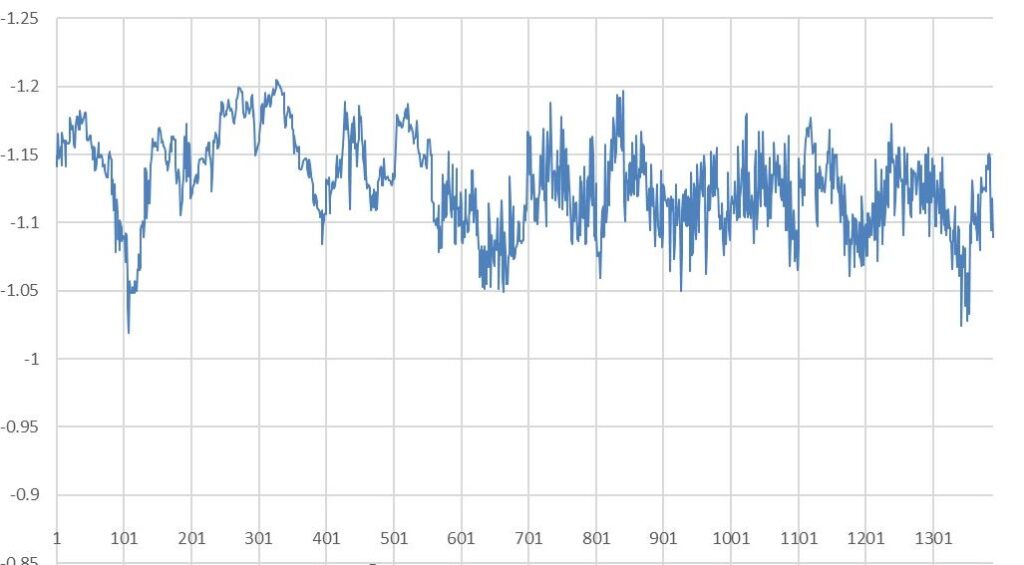
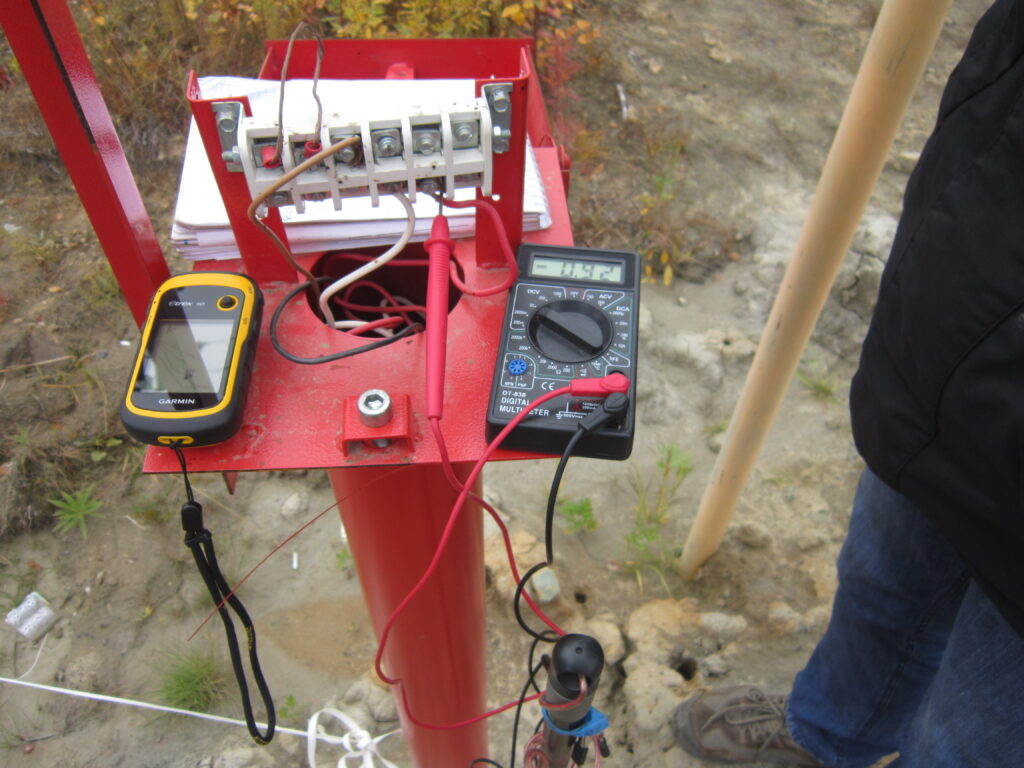
Italcorr performs comprehensive stray current investigations including:
- structure-to-electrolyte potential measurements;
- continuous potential logging using data loggers;
- ON/OFF potential measurements;
- AC and DC interference assessment;
- current measurements;
- electrical continuity testing;
- evaluation of cathodic protection performance;
- investigation of interference between neighboring structures.
Where required, several inspection techniques may be combined, including CIPS, DCVG, PCM surveys and corrosion monitoring to obtain a complete understanding of the electrical behavior of the protected structure.
Stray Current Mitigation
After identifying the source of interference, appropriate mitigation measures are developed according to the operating conditions of the facility.
Possible solutions include:
- electrical drainage systems;
- controlled bonding between structures;
- polarization cells and decoupling devices;
- optimization of cathodic protection systems;
- improvement of grounding systems;
- installation of permanent monitoring equipment;
- periodic verification of mitigation effectiveness.
Each solution is selected following a detailed engineering assessment to ensure long-term corrosion control without adversely affecting neighboring infrastructure.
Industries Served
Italcorr provides stray current assessment services for:
- oil and gas pipelines;
- water transmission pipelines;
- district heating networks;
- refineries;
- petrochemical plants;
- oil storage terminals;
- fuel stations;
- underground and aboveground storage tanks;
- industrial facilities;
- electrical infrastructure.
Why Choose Italcorr?
Our engineers combine expertise in corrosion engineering, cathodic protection and non-destructive testing to identify complex electrical interference problems and develop practical mitigation solutions. By integrating field measurements, engineering analysis and international best practices, Italcorr helps infrastructure owners improve safety, extend asset life and reduce maintenance costs while ensuring reliable operation of critical facilities.